
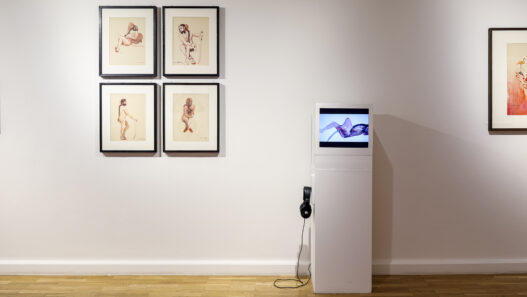

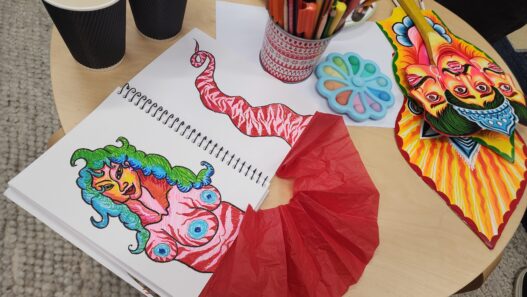
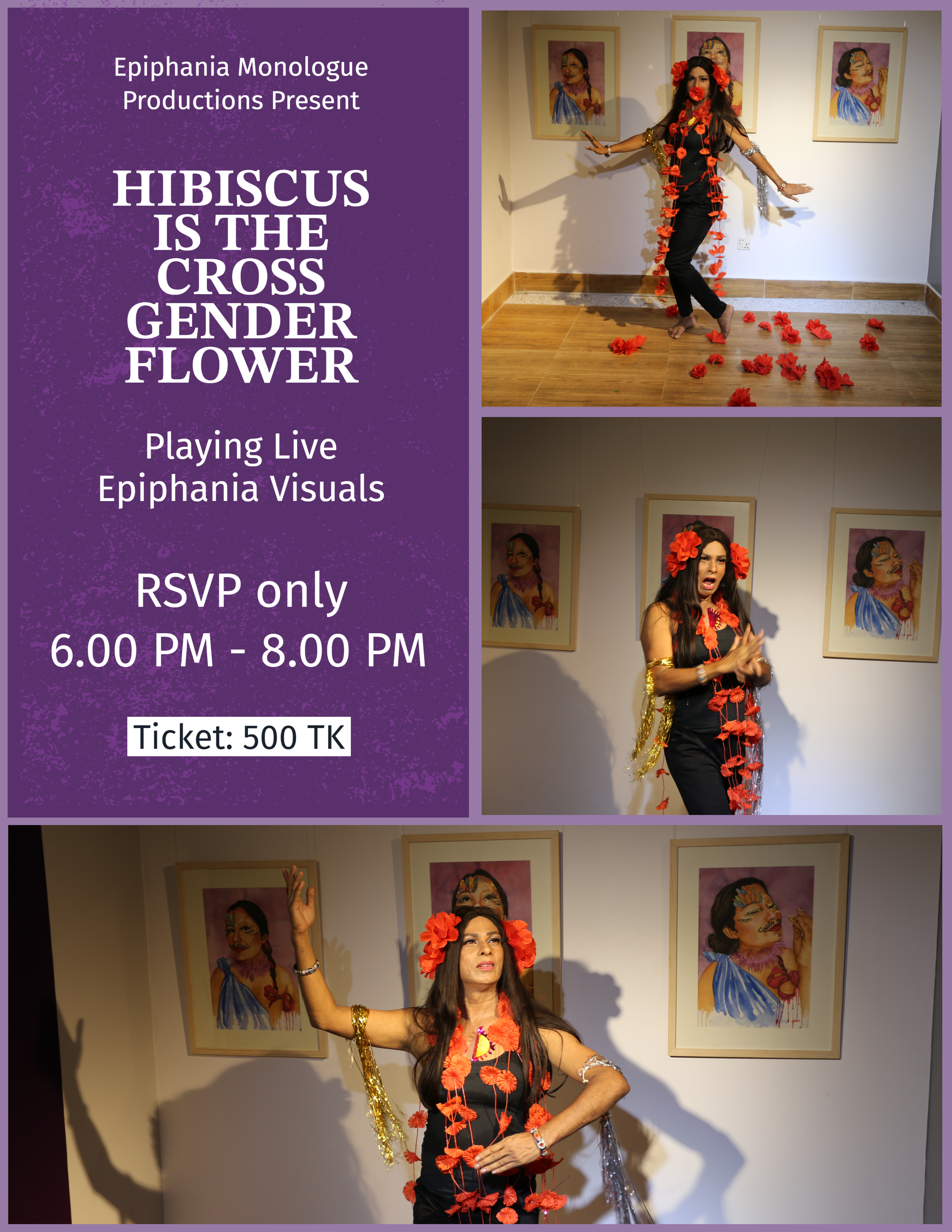


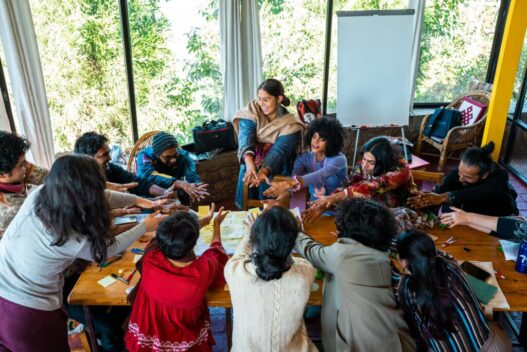
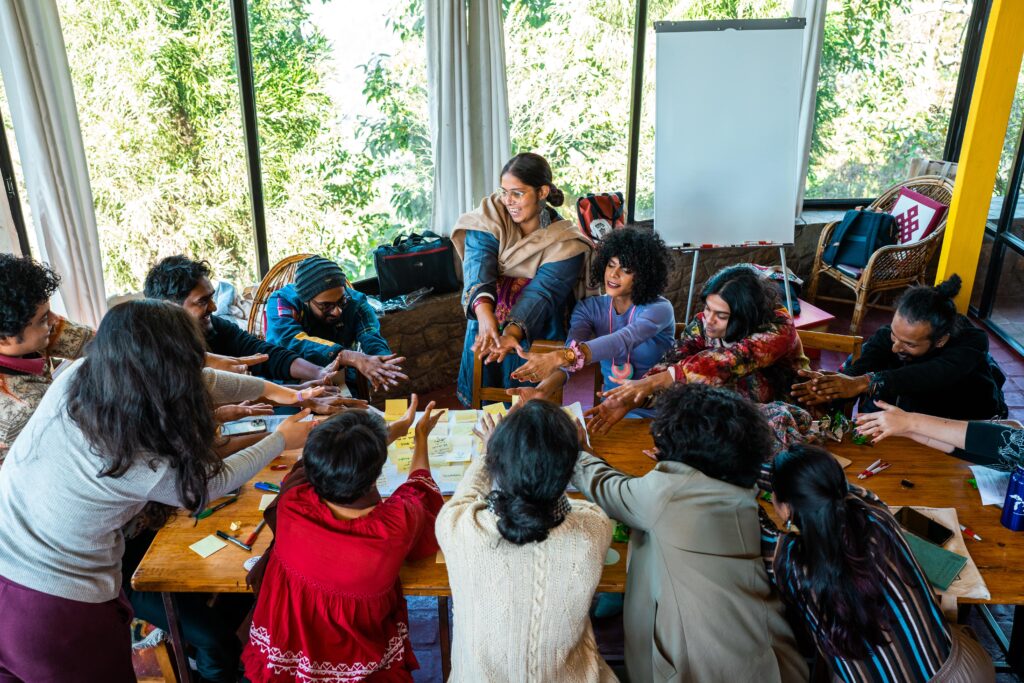
The emergence of queer Muslim visibility platforms over the last decade has marked a profound cultural shift in global conversations surrounding faith, sexuality, gender identity, and belonging. Among these initiatives, The Queer Muslim Project has become one of the most internationally recognizable artistic and digital advocacy platforms attempting to bridge Islam and queerness through storytelling, portraiture, workshops, and online representation.
Positioned as a safe and affirming platform for LGBTQIA+ Muslims, the initiative has gained recognition within global art and media circuits, including association with the Ars Electronica State of the ART(ist) initiative.Ars Electronica feature on The Queer Muslim Project

Yet the rise of such initiatives also opens difficult but necessary questions regarding representation of Islam, Muslim queer institutional visibility, class accessibility, political accountability, and the transformation of queer Muslim suffering into cultural discourse.
Our article does not attempt to dismiss the emotional necessity of queer Muslim visibility. Rather, it asks a more complex question:
What happens when privileged queer Muslim identity becomes culturally visible through art institutions, digital campaigns, and curated storytelling — while millions of queer Muslims continue living in silence, danger, religious suffocation, and economic precarity?
Visibility Versus Material Survival
Digital storytelling has become central to contemporary queer activism. Portraits, testimonies, interviews, and curated narratives can provide emotional validation for isolated individuals who may have never encountered another openly queer Muslim person before.
But visibility raises another difficult question:
Can representation alone materially protect queer Muslims from violence, homelessness, forced marriage, familial abuse, conversion pressure, or religious exile?
In many Muslim-majority societies and diasporic households, queer Muslims continue to face:
- honor-based violence,
- expulsion from families,
- forced heterosexual marriage,
- economic abandonment,
- public shaming,
- corrective abuse,
- and psychological isolation.
A critical analysis therefore asks whether projects like TQMP primarily function as cultural visibility platforms or whether they also build infrastructures of survival.
Has the initiative:
- For many gay, lesbian, and transgender Muslims, the psychological and physical suffocation of staying hidden is a daily reality, and coming out or sharing their art publicly online is a life-threatening risk. Since a digital platform naturally spotlights those who can safely be visible, how does TQMP ensure that their stories are heard and their pain is accounted for without requiring them to step into the public eye?
These questions are not accusations. They are questions about the limits of representational politics itself.
Because for many queer Muslims, survival requires more than being seen.
Where Is the Historical Queer Muslim Archive?
One of the most urgent intellectual questions surrounding queer Muslim discourse concerns historical continuity.
Many queer Muslims grow up hearing that queerness is “Western,” “modern,” or fundamentally outside Islamic civilization. In response, several activists and scholars have attempted to recover erased histories of same-sex desire, gender variance, homoerotic poetry, Sufi intimacy, and non-binary expressions within Islamic societies.
However, a major question remains:
Has The Queer Muslim Project developed a rigorous archival or research-based framework capable of establishing historical relationships between Islam and queerness beyond social media affirmation?
While the project succeeds in producing emotional visibility and aesthetic storytelling, critics may argue that visibility alone does not necessarily create historical literacy. Without sustained archival work, oral histories, translations, theological scholarship, or documentation of queer Muslim survival across generations, representation risks remaining symbolic rather than intellectually transformative.
This becomes especially important because queer Muslims are not only fighting for acceptance — many are fighting against historical erasure itself.
The Risk of Elite Queer Muslim Visibility
Another complex issue concerns class and cultural accessibility.
Projects operating within international art spaces, English-language discourse, digital media aesthetics, and NGO structures often unintentionally become accessible primarily to:
- urban populations,
- educated English speakers,
- institutionally connected artists,
- socially visible activists,
- and internationally mobile queer subjects.
This raises an uncomfortable but important question:
Does the phrase “Queer Muslim” itself sometimes become an elite cultural identity rather than an accessible collective reality?
Who is represented within the project’s visual and narrative language?
Who remains absent?
Are rural queer Muslims visible?
Are working-class Muslims included?
Are undocumented migrants included?
Are disabled queer Muslims represented?
Are deeply practicing religious Muslims included without pressure toward secular assimilation?
Or does visibility subtly favor those already capable of speaking the language of global liberal arts institutions?
This tension exists across many contemporary identity-based art initiatives:
representation can unintentionally centralize those safest at being visible.
Meanwhile, the most endangered individuals often remain invisible.
The Silent Majority: Those Who Cannot Speak
Perhaps the most haunting question surrounding queer Muslim representation is this:
Where are the queer Muslims who still cannot speak publicly at all?
Millions of queer Muslims continue living double lives:
- praying while hiding their sexuality,
- fasting while fearing exposure,
- attending mosques while experiencing internal suffocation,
- remaining financially dependent on hostile families,
- surviving in countries where queerness remains criminalized,
- or holding faith while feeling abandoned by both religion and mainstream queer spaces.
Did projects like TQMP meaningfully center these individuals?
Were they invited not only to be photographed — but to shape discourse itself?
A recurring critique of institutional storytelling projects is that vulnerable communities are often curated rather than empowered. Their pain becomes narratively visible, but decision-making power remains concentrated among organizers, institutions, curators, or donors.
Thus the question becomes:
Who controls queer Muslim narratives?
And equally importantly:
Who profits emotionally, culturally, or institutionally from queer Muslim visibility?
Aestheticizing Pain: Art, Funding, and Consumption
Contemporary art institutions increasingly celebrate marginalized identities through exhibitions, grants, panels, and cultural programming. This visibility can create genuine opportunities for healing and recognition.
Yet critical theory has long warned that institutions may also consume suffering aesthetically.
This creates another difficult inquiry:
Can queer Muslim trauma become culturally marketable within global arts and funding economies?
Images of marginalized pain often circulate effectively because they produce emotional impact, diversity symbolism, and institutional legitimacy. But critics may ask:
- Does visibility lead to redistribution of power?
- Or does suffering become transformed into aesthetic content for progressive consumption?
The concern here is not whether artists deserve funding.
Marginalized artists absolutely deserve support.
The concern is whether institutions reward visibility more easily than structural resistance.
A beautifully photographed queer Muslim portrait may receive applause internationally while the actual subject remains economically precarious, unsafe, closeted, or unsupported after the exhibition ends.
Between Faith and Liberal Acceptance
Another major tension concerns religion itself.
Mainstream queer discourse often assumes liberation requires distancing oneself from religion. Yet many queer Muslims do not wish to abandon Islam. They seek coexistence rather than replacement.
This creates theological and emotional complexity rarely addressed deeply within visibility campaigns.
A serious research inquiry may therefore ask:
- Does TQMP create space for practicing Muslims who maintain spiritual devotion while negotiating queerness?
- Or does visibility subtly privilege secular frameworks more legible to liberal institutions?
- Is theological disagreement permitted?
- Is doubt permitted?
- Is shame discussable?
- Is contradiction allowed?
Many queer Muslims do not experience liberation as certainty.
They experience it as continuous negotiation.
A truly inclusive platform may need to hold space not only for pride — but also for grief, fear, ambiguity, and unresolved faith.
The Politics of Representation
To critique queer Muslim representation responsibly requires avoiding simplistic conclusions.
Projects like The Queer Muslim Project emerged because queer Muslims were historically erased by multiple systems simultaneously:
- conservative religious structures,
- colonial morality,
- state violence,
- Islamophobia vs. using “Islamophobia” as a form of victim-blaming against survivors of Islamic extremism,
- and mainstream LGBTQIA+ spaces that often excluded Muslim identities.
Creating visibility under such conditions is itself politically significant.
However, visibility should not become immune from critique simply because it represents marginalized people.
In fact, ethical critique becomes more necessary precisely because such projects increasingly speak for entire communities.
Beyond Representation
The central question surrounding The Queer Muslim Project is not whether queer Muslim visibility matters.
It does.
The deeper question is whether visibility alone is enough.
Can curated storytelling transform the lives of queer Muslims still trapped inside violent homes, hostile mosques, repressive states, and economically dependent realities?
Can art institutions hold space for those who cannot safely become visible?
Can queer Muslim initiatives move beyond symbolic inclusion toward infrastructures of survival, historical research, theological complexity, and collective political resistance?
And perhaps the most important question of all:
Who remains unseen even within projects designed to make queer Muslims visible?
Until that question is continuously asked, queer Muslim representation risks becoming not only a site of liberation — but also a site of selective visibility shaped by class, safety, institutional recognition, and global cultural consumption.



Your post is a true masterpiece. I\’ll be referencing it in my own work.
I\’m honored to hear that. I\’m always striving to provide the best information possible.
This post is a game-changer. I\’ve learned so much from it – thank you!
Your post is a true masterpiece. I\’ll be referencing it in my own work.
I\’m so glad I found your site. Your posts are consistently excellent.