Dark Mode Light Mode
Epiphania Visuals is BACK—and the Future is Queer!
A Decolonial Lens on When Speech is Forced Down, Art Must Speak
EPIPHANIA MAAG invite queer visual artists, journalists, and filmmakers worldwide to co-create, resist erasure, and imagine otherwise

A Decolonial Lens on When Speech is Forced Down, Art Must Speak

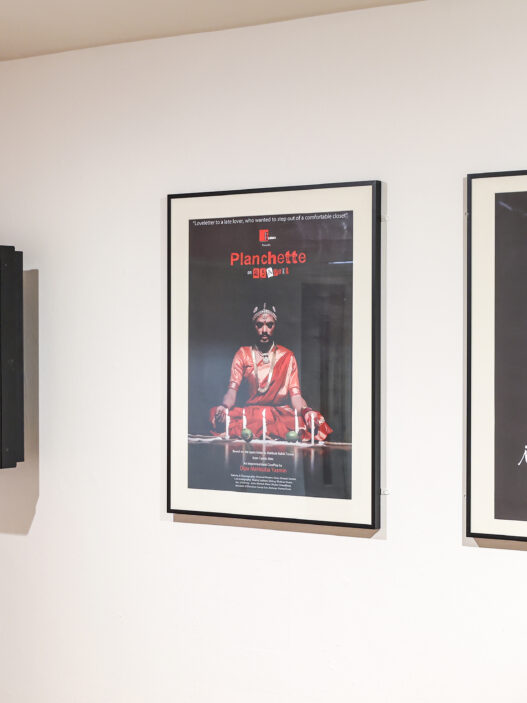
The phrasing “When Speech is Forced Down, Art Must Speak” carries a profound, literal weight for the Bangladeshi closeted queer community. It traces directly back to the dark catalyst of April 25, 2016, when Xulhaz Mannan (founder of Roopbaan, Bangladesh’s first LGBT magazine) and fellow activist Mahbub Rabbi Tonoy were brutally hacked to death in their Dhaka apartment by religious extremists.

Before 2016, the local queer movement was tentatively carving out semi-public spaces through street rallies and print publications. Following the assassinations, that public presence was utterly shattered. Faced with state inaction, intense media stigmatization, and direct threats of violence, the community was forced underground. Digital traces were wiped, activists fled the country or assumed strict pseudonyms, and verbal or literal “speech” became life-threatening.

When you are structurally and violently denied a voice, art ceases to be a mere aesthetic choice—it becomes the only survival mechanism left. For a closeted community, a painting, a craft, or a visual medium can slip past borders, bypass censors, and hold space anonymously. It transforms abstract trauma into permanent physical record, shouting safely from the shadows when human mouths cannot.

Curatorial Review: A Decolonial Lens on When Speech is Forced Down, Art Must Speak

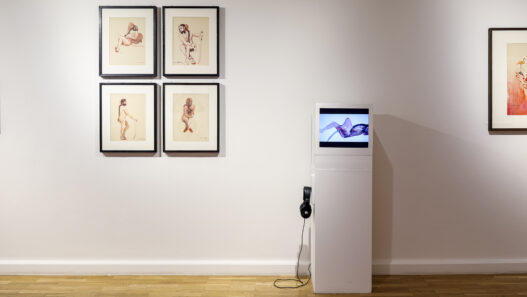
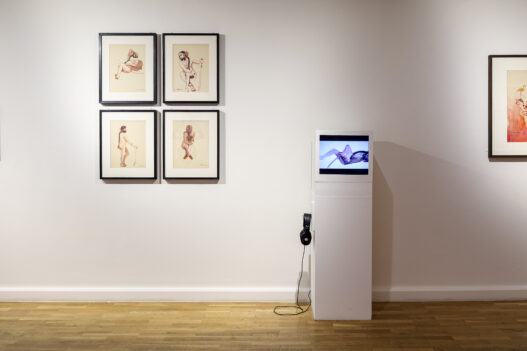
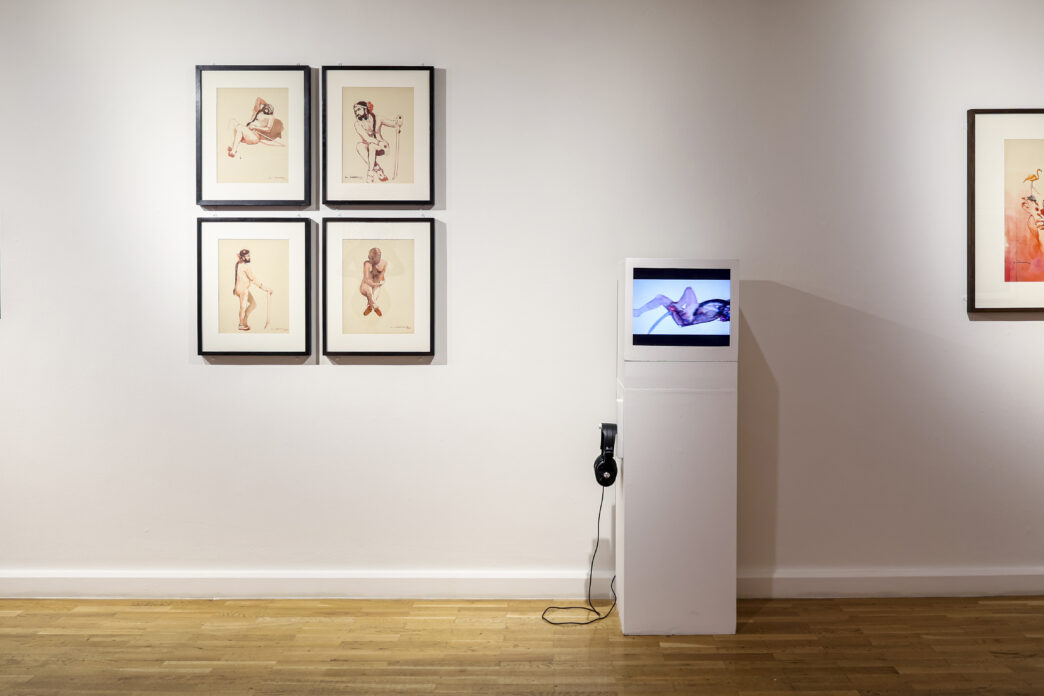
Exhibition: When Speech is Forced Down, Art Must Speak

Curator: Dipa Mahbuba Yasmin (Epiphania Visuals Gallery & Archive)

Venue: Midlands Arts Centre (MAC), Birmingham

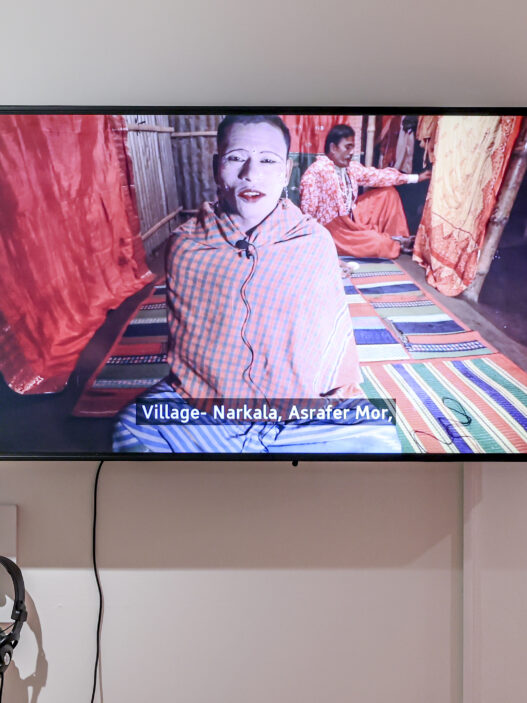
To evaluate Dipa Mahbuba Yasmin’s curated exhibition through a decolonial lens is to witness a double-edged act of subversion. The exhibition does not merely fight local religious extremism or contemporary state silence; it directly confronts the coloniality of power that governs the bodies and laws of Bangladesh.

Dismantling the Colonial Architecture of Desire

A decolonial reading of Bangladeshi queer erasure must first look at the legal apparatus weaponized against it. The criminalization of same-sex intimacy in Bangladesh is not an indigenous artifact; it is an direct inheritance of British imperial rule via Section 377 of the Penal Code of 1860 (the “Sodomy Law”).

When Yasmin brings together a collection of largely self-taught, anonymous artists, the art actively works to de-link sexuality from both Victorian-era legal morality and contemporary Western “Pride” frameworks. Western models of queer liberation rely heavily on public hyper-visibility, coming out, and legible identity categories (Gay, Lesbian, Bisexual). In a hyper-surveilled, hostile environment, forcing these exact formats onto the Global South is a form of Eurocentric cultural imposition that invites violence.

Instead, When Speech is Forced Down, Art Must Speak champions a localized, strategic opacity. The choice of the artists to remain completely anonymous is not an admission of defeat; it is a tactical, decolonial refusal to serve the “Western gaze” its expected, recognizable targets. It prioritizes community safety over Western-defined performative visibility.

Reclaiming the Folk: Subverting Indigenous Traditions

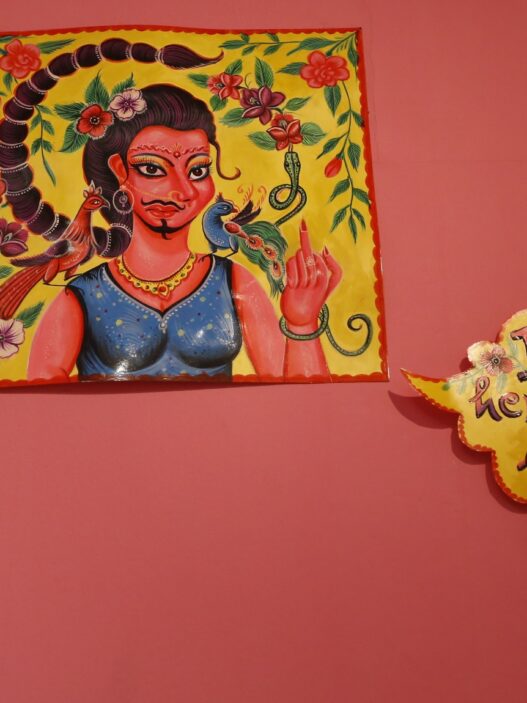
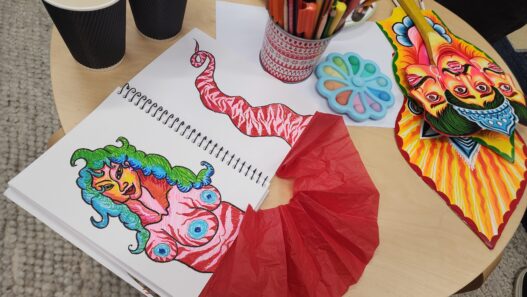
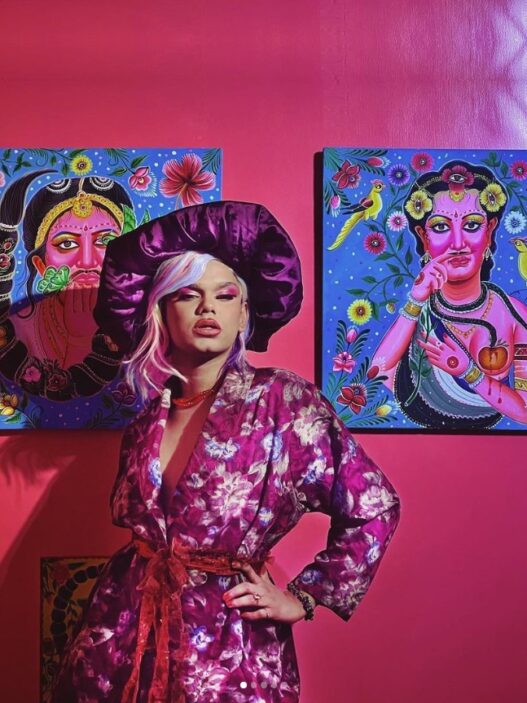
One of the most potent decolonial methodologies Yasmin employs is her deep engagement with ancestral and popular art forms, notably rickshaw art, cinema banners, and local folk crafts.

Historically, colonial anthropology framed non-Western folk arts as static, primitive relics of the past. Yasmin and her collaborators completely shatter this by proving that folk art is a breathing, highly adaptive tool of political resistance.

Colonial / State ParadigmDecolonial Art Intervention
Section 377 / Heteronormativity
Framing non-heterosexual desire as an unnatural, “Western disease.”
Folk Integration
Weaving queer bodies, asexuality, and genderfluidity directly into indigenous visual motifs to prove their historical and cultural permanence.
Symmetry & Western Perfection
Adherence to academic, Eurocentric fine art rules as the standard of “high art.”
The Aesthetic of Distortion
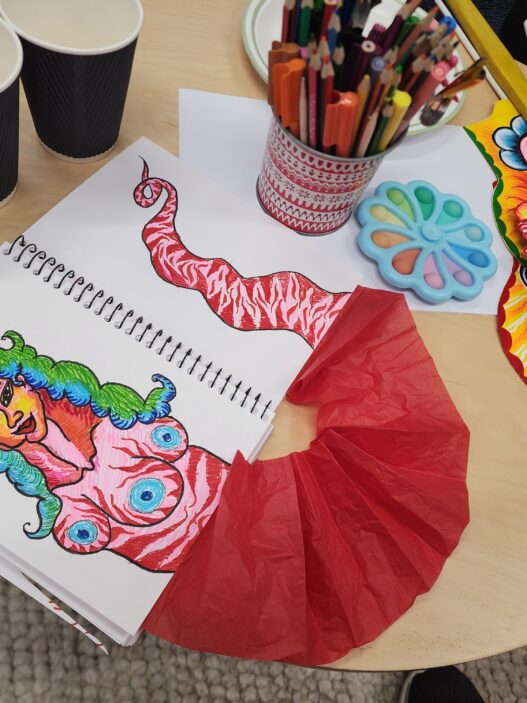
Embracing disproportion, raw textures, and untamed local color palettes as spaces of visual and emotional freedom.
Compulsory Marriage
Using state and religious frameworks to legitimize forced domesticity and marital rape.
Subversive Narrative
Using bright, familiar household paint to illustrate real helpline cases of domestic queer resistance, hiding radical subversion inside shapes that feel like “home.”

The Paradox of the Imperial Host

We cannot ignore the geopolitical context of where this exhibition takes place: the Midlands Arts Centre in Birmingham, funded by the Arts Council of England, organized under the umbrella of the Commonwealth Games Festival.

From a decolonial perspective, this sets up a striking historical irony. The very state that codified homophobia into the soil of the Indian Subcontinent via imperial decree in 1860 now acts as the progressive, modern patron hosting the exiled voices of that law’s victims.

Yasmin navigates this paradox brilliantly by refusing to let the exhibition become a passive display of “Global South suffering” for a sympathetic Western audience. The works do not beg for Western validation or mimic Euro-American queer aesthetics. Instead, they weaponize the institutional space of the UK to beam local Bangladeshi activism back home. By mixing centuries-old regional dialogues—shaped by a synthesis of Islamic, Hindu, Buddhist, and Christian folk histories—the exhibition firmly roots queer resistance within the soil of Bangladesh’s own pluralistic past.

Final Takeaway

When Speech is Forced Down, Art Must Speak is a brilliant blueprint for aesthetic disobedience. By refusing the Western mandate of public self-exposure and reclaiming folk methodologies, Dipa Mahbuba Yasmin has curated more than an art exhibition. She has built an ephemeral, portable sanctuary—a visual archive demonstrating that while empires and states can freeze human speech, they can never quite catch the hand holding the paintbrush.
Keep Up to Date with the Most Important News

By pressing the Subscribe button, you confirm that you have read and are agreeing to our Privacy Policy and Terms of Use
Add a comment Add a comment

Leave a Reply

Your email address will not be published. Required fields are marked *

Previous Post

Epiphania Visuals is BACK—and the Future is Queer!