


For generations, the rhythmic click of a needle and the gentle pull of thread have been the soundtrack to the quiet hours of Bangladeshi women. Hand embroidery—or naksha—was never just a pastime. It was a sacred archive of the soul. Through the quiet dedication of the hands, it became a form of personal healing, a canvas for sacred stories, and a tactile love letter.
Historically, these stitches carried the weight of deep affection. A hand-stitched wall mat (nokshi kantha tapestry) was gifted to loved ones to protect and bless them. A finely embroidered handkerchief (rumal), carefully stitched with a delicate flower and a line of yearning poetry, was passed secretly from a lover to their beloved.
Yet, if you look closely at the archives of our history, the stories preserved in these threads have almost always been viewed through a single, heteronormative lens. The romances celebrated, the identities visualized, and the futures imagined were restricted to traditional molds.
But love and identity in Bangladesh have always been as fluid and vibrant as the colored threads used to map them.
   🧵 THE REIMAGINED STITCH
   Yesterday's Tradition ──► Today's Queer Anthropology
   Heteronormative Past ──► Inclusive Handcrafted Futures
Reclaiming the Needle: A Queer Lens on Heritage
At Epiphanya Visuals Craft Archive, we believed it was time for our history to catch up with our reality. We invited local artisans and traditional craftsmen to hold the needle once more, but this time, to stitch through a queer lens.
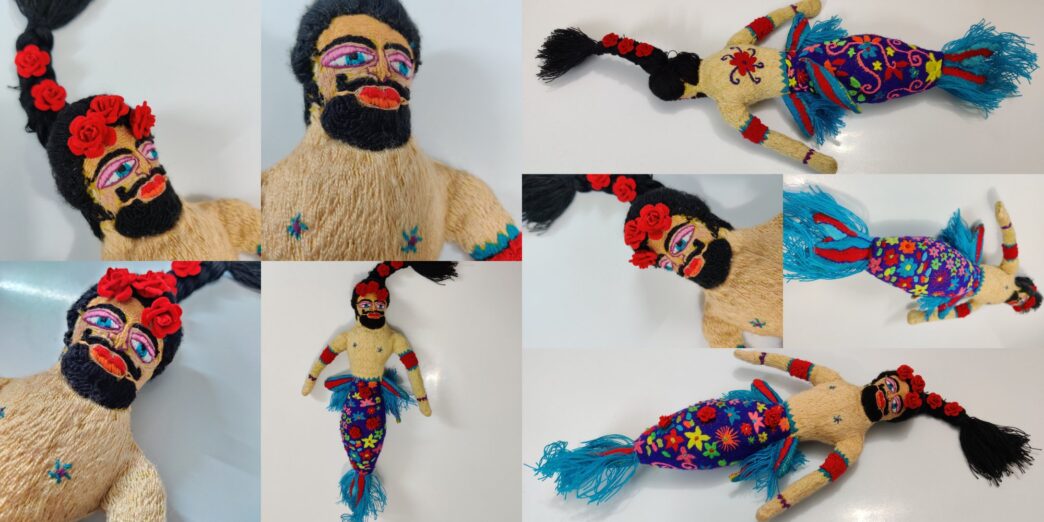
The result is our newest collection of handmade queer dolls, adorned with intricate, traditional hand embroidery.
These queer dolls are more than beautiful collectibles; they are a living visual anthropology. They represent a reclamation of our own craft, our own culture, and our own sacred stories.
Why Each Doll Holds a Story
- Generations of Touch: Every single stitch is done by hand, carrying forward the same healing energy and dedication that our ancestors poured into their craft.
- Queer Visual Anthropology: By incorporating queer identities into traditional motifs, these dolls bridge the gap between our rich history and our authentic present.
- A Gift of Resistance and Love: Just like the historical handkerchiefs passed between lovers, these dolls are infused with a text of validation, pride, and belonging.
By bringing one of these dolls into your space, you aren’t just supporting local craftsmanship—you are helping to archive a history that has waited centuries to be told.
Discover the collection. Hold a piece of stitched history.