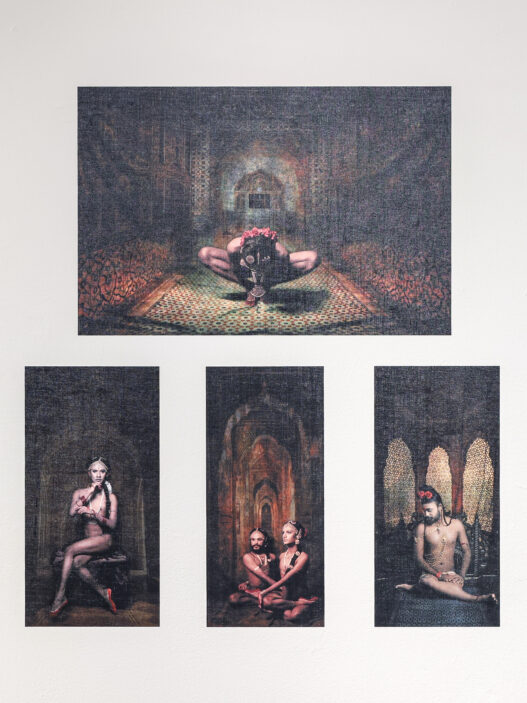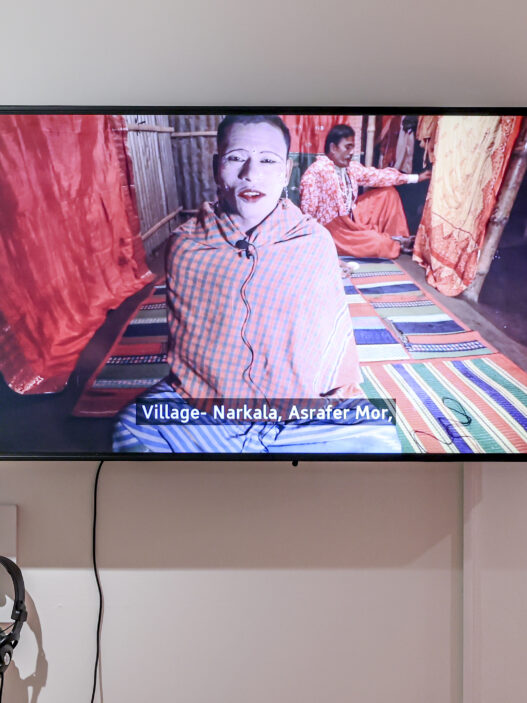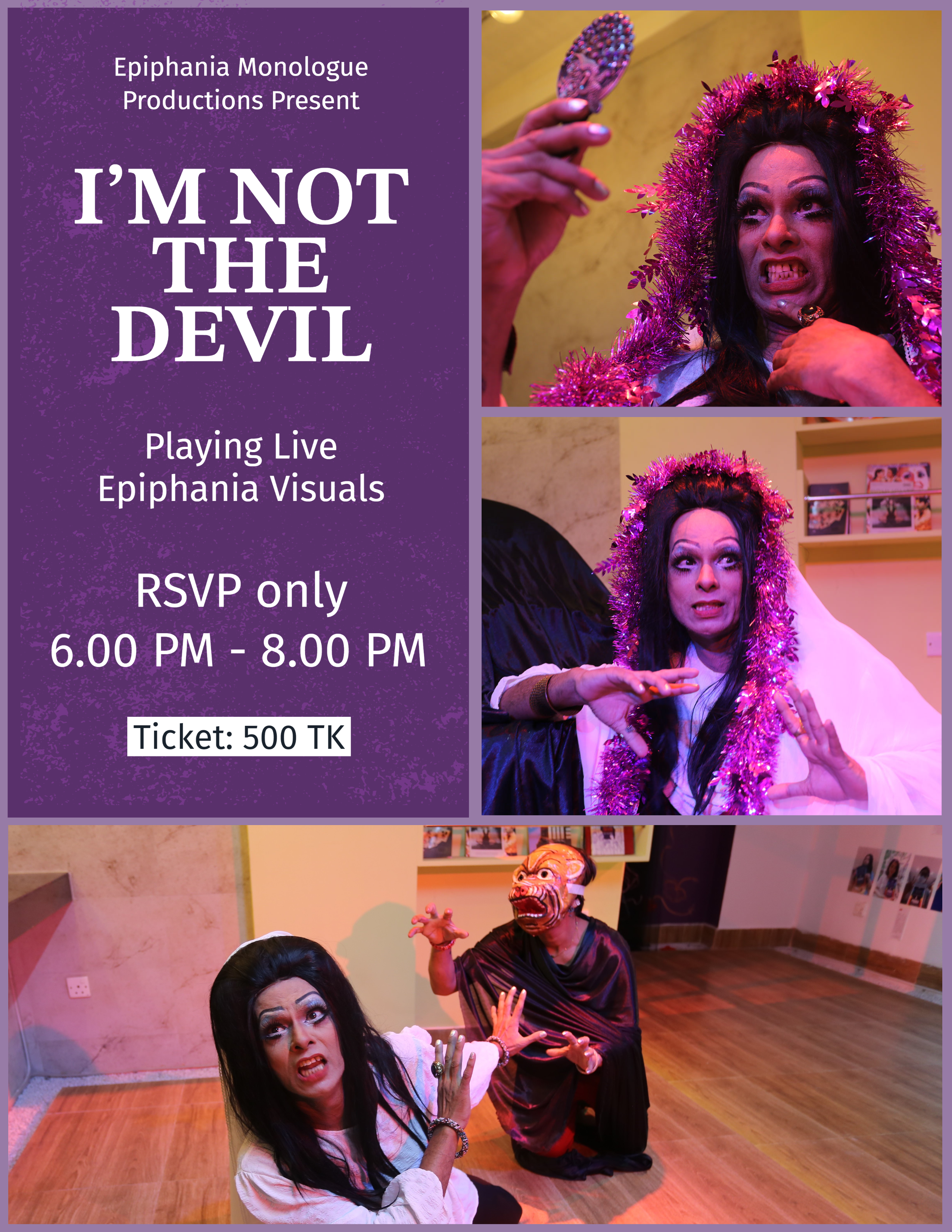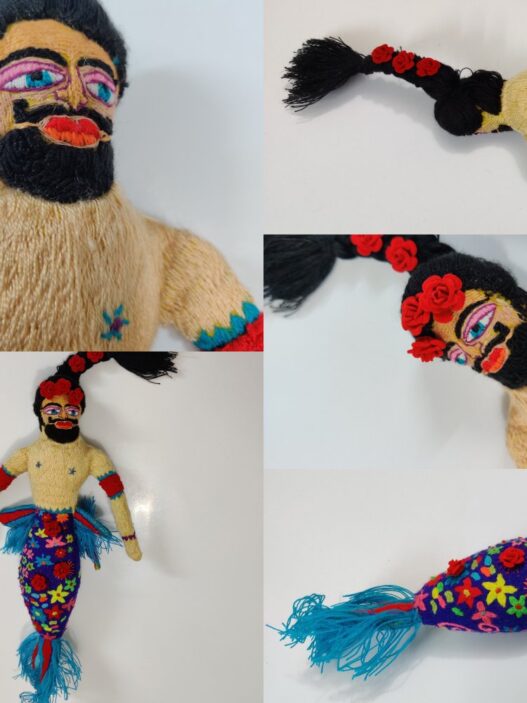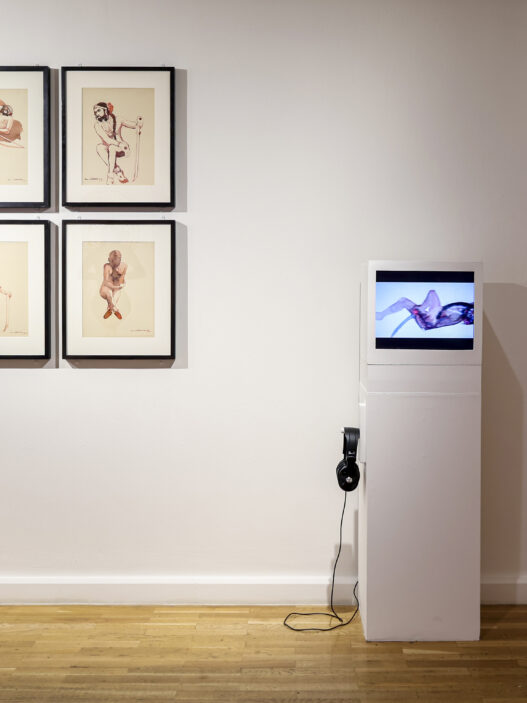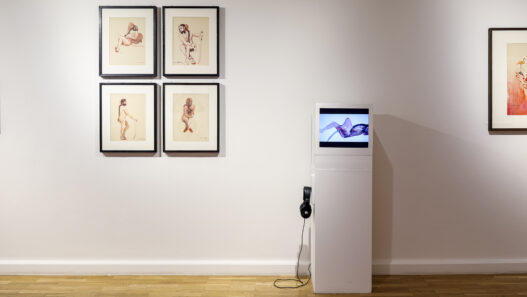

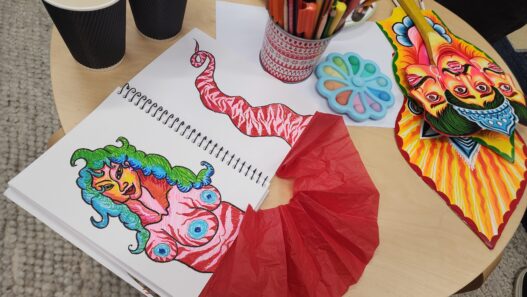
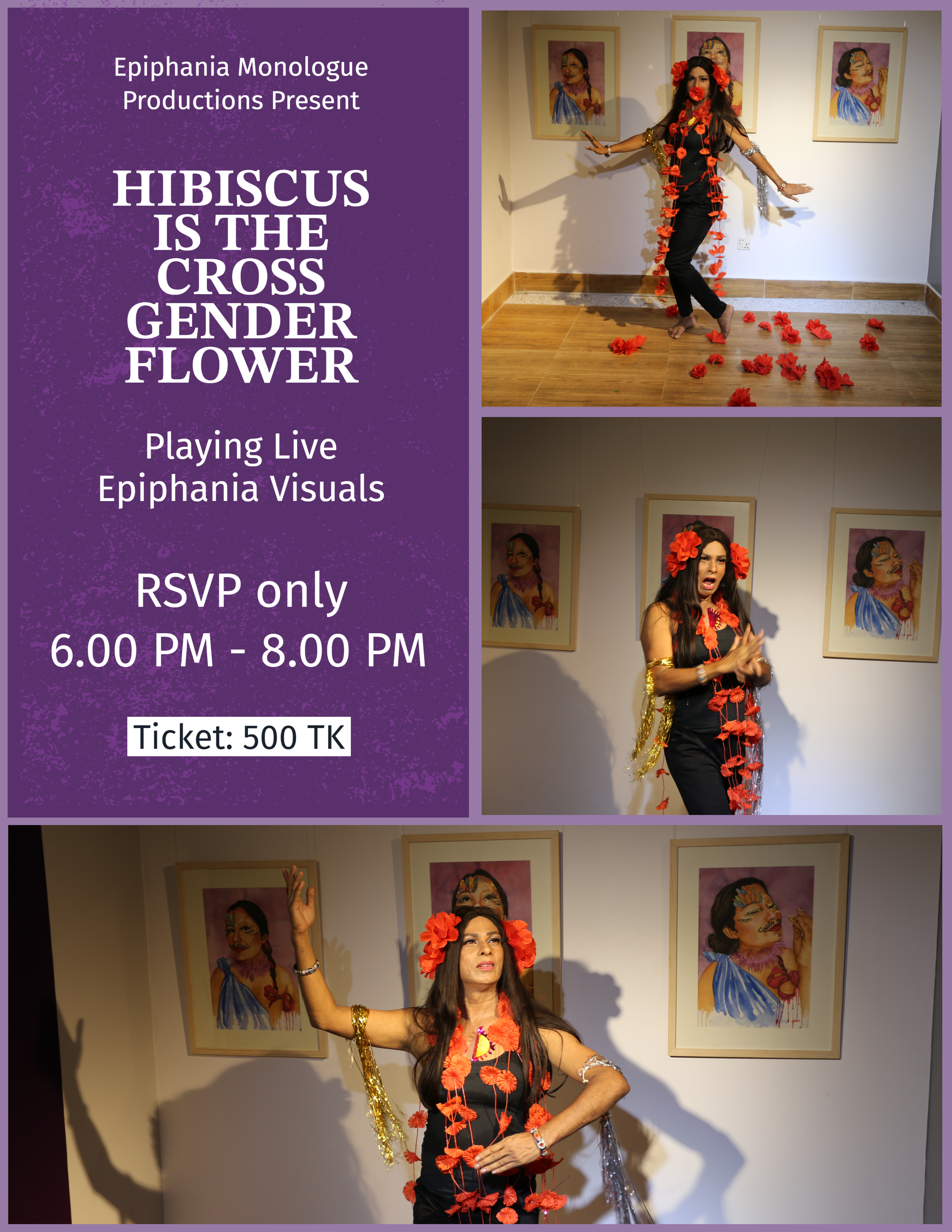


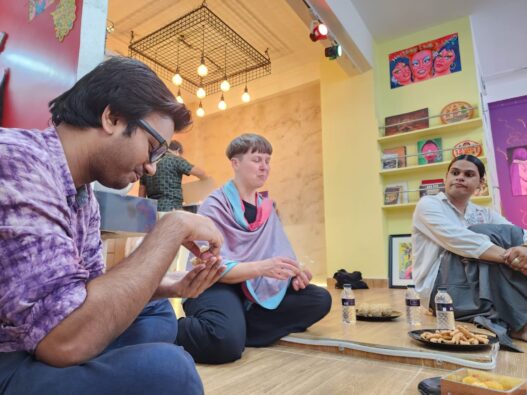
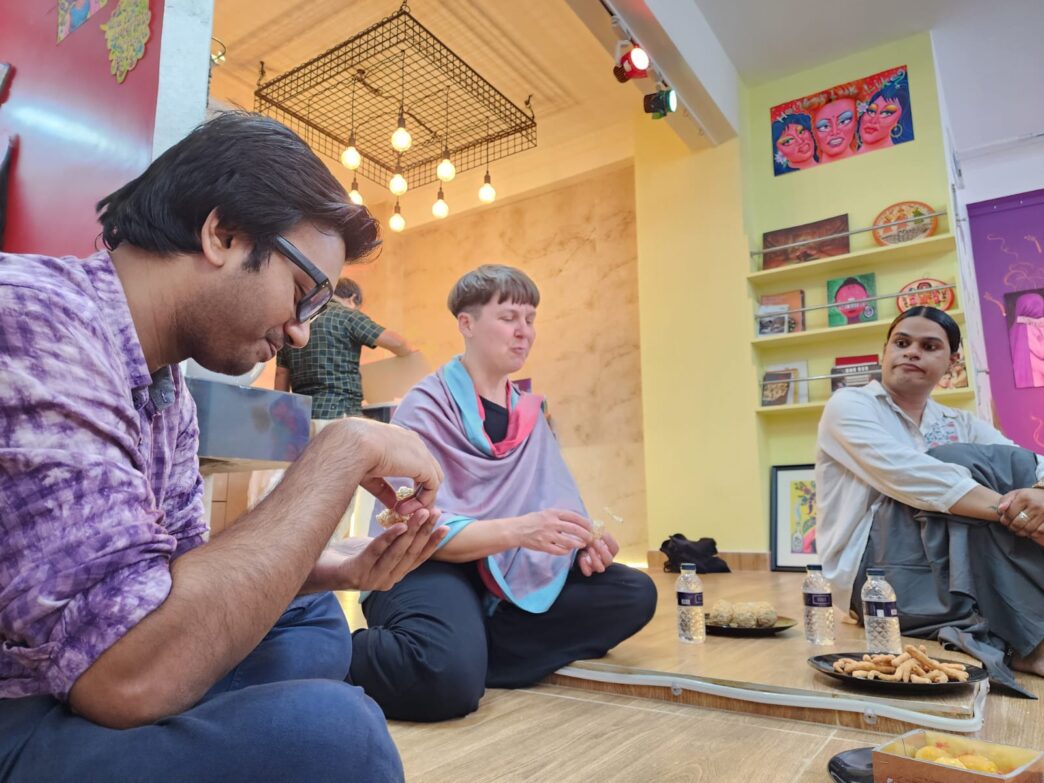
There are moments in the journey of a creative studio that leave a lasting imprint, not just on our portfolio, but on our collective spirit. The visit of Birga Meyer-director of Berlin’s pioneering Schwules Museum, recognized globally as a foundational institution for LGBTQ+ history and culture-to Bangladesh was undeniably one of those milestones.
Welcoming her to Epiphania Visuals was an honor, but the true impact of her visit lay entirely in the profound human connection she established with our studio.
To understand why Birga Meyer’s visit felt so deeply distinct, it helps to look at how her leadership operates back in Berlin. At the Schwules Museum (SMU)—founded in 1985 as the world’s very first institution dedicated to preserving and archiving LGBTQ+ history, art, and culture—she has actively championed a shift from rigid, traditional archiving to something far more alive, participatory, and community-driven.
Birga Meyer’s distinctive contributions have redefined how we understand queer art archives, revealing why her grounded presence and humble approach left such a lasting and mesmerizing impression on the team behind Epiphania Visuals.
1. The Move Toward a “Living, Participatory Archive”
Traditionally, institutional archives function like vaults: static, academic, and detached. Under the co-leadership of managing directors like Birga Meyer (a historian and cultural scientist), SMU treats the archive as an active site of contemporary social discourse.
Instead of waiting for history to be handed down, Meyer’s approach prioritizes grassroots self-empowerment. She views an archive not just as a repository for paper and film, but as a space that actively mirrors the community’s living feelings, trauma, and resistance. This explains why she didn’t just passively look around during her trip to Bangladesh—her entire career is built on the belief that archiving is a collaborative, face-to-face act.
2. Archiving the “Founding Mothers” & Hidden Narratives
One of Meyer’s most significant recent contributions directly reflects her instinct to listen to the overlooked. Upon examining SMU’s vast collections, she noted a stark, historical imbalance: the “founding mothers,” lesbian activists, trans*, and inter* individuals who built the bedrock of early queer liberation movements were massively underrepresented compared to gay cisgender male narratives.
- The Correction: She co-curated exhibitions (such as “…and so our troubles began”, marking SMU’s 40th anniversary) explicitly designed to record oral histories, conduct deep-dive interviews, and pull these marginalized matriarchal and non-binary narratives into the permanent record.
- The Method: Rather than telling their stories for them, she invited the community into the museum to co-curate. This exact philosophy—democratizing who gets to speak—is why she connected so effortlessly with every single team member at Epiphania Visuals.
3. Curating “Affect” Over Objects
Under her tenure and broader history with the house, SMU has famously experimented with an “Archive of Feelings.” Instead of organizing art and artifacts strictly by chronological dates or rigid identity boxes, Meyer and the SMU team have championed organizing collections around emotional and psychological paths: Desire, Joy, Care, Anger, and Fear.
This radical archival framework posits that queer art cannot be fully understood through sterile academic timelines. It must be felt.
By prioritizing emotional resonance and collective healing over clinical classification, her curatorial philosophy aligns seamlessly with independent visual studios that focus on raw narrative power and intense visual storytelling.
The Global Resonance
When a cultural leader deeply steeped in this “archiving from the ground up” mentality steps into an independent studio halfway across the world, they don’t look for corporate hierarchies. They look for the pulse of the creators.
Her ability to bridge the gap between a massive European institutional archive and a localized, passionate creative team stems from a foundational belief: queer and intersectional art history isn’t just preserved in climate-controlled museum basements—it is actively being built on the ground, in spaces exactly like Epiphania Visuals.
To hear more about how this unique institution approaches its global mission directly from its leadership, watch this insightful interview with Birga Meyer about the Schwules Museum. It offers an intimate look at how they preserve history while constantly leaving room for new, evolving global narratives.
A Ground-to-Earth Presence
Despite her stature leading a globally significant institution in Berlin, Birga completely bypassed formality from the moment she arrived. Her deeply grounded, down-to-earth nature set an immediate tone of mutual respect and warmth. There was no barrier between international director and local creators; instead, there was an instant, shared language of storytelling and purpose.
Deep, Hardcore Involvement
What made the experience truly mesmerizing for the entire team was her genuine, intentional engagement. Birga didn’t just observe our space; she immersed herself in it. She took the time to connect individually with every single team member, showing a profound interest in our creative processes, our vision, and the core of what we do.
Her “hardcore” involvement—a sincere, deep-dive curiosity into our work—validated our mission and fueled our creative energy. She listened intently to our narratives, shared insights from her own formidable background, and left us all feeling deeply seen and inspired.
The Lasting Impression Birga’s visit was a beautiful reminder that the most impactful cultural exchanges are rooted in humility and authentic connection. Her presence left the entire Epiphania Visuals team with a mesmerizing, lingering feeling of warmth and a renewed inspiration to keep pushing boundaries, burning bright, and telling stories that matter.