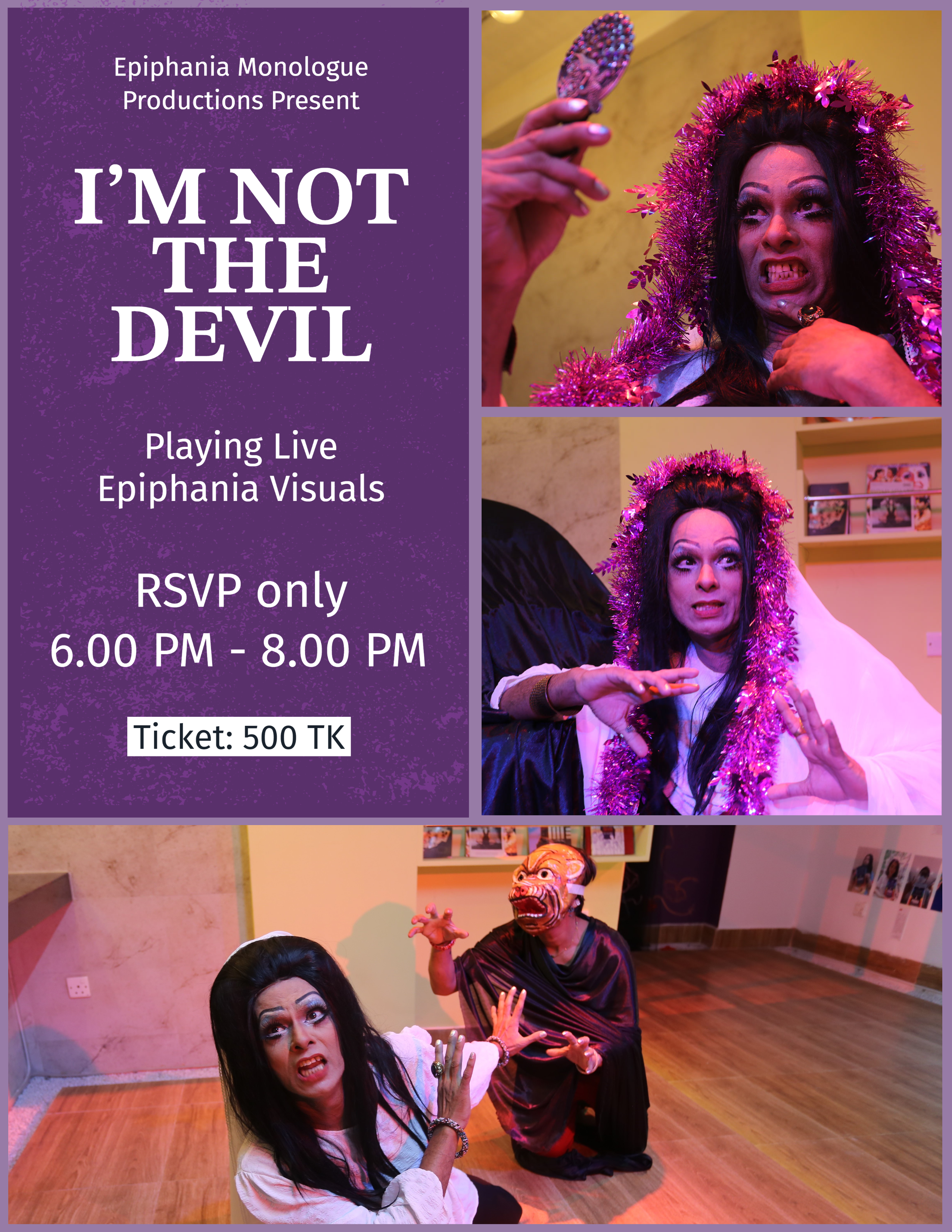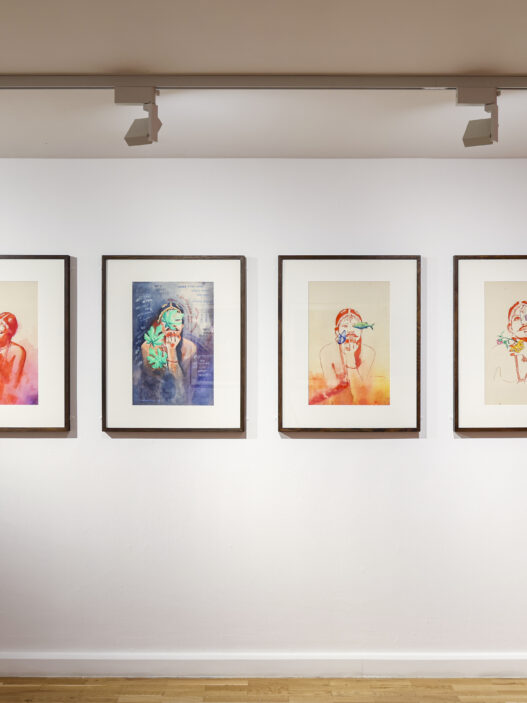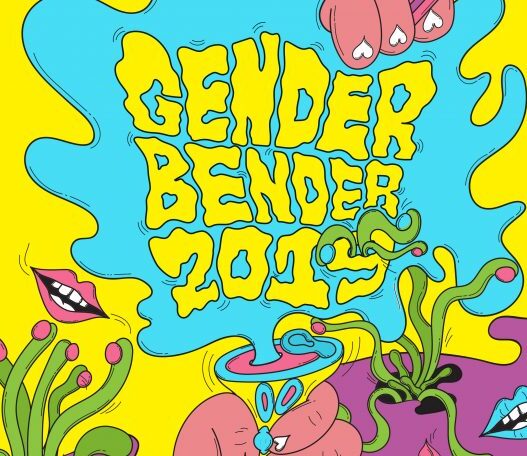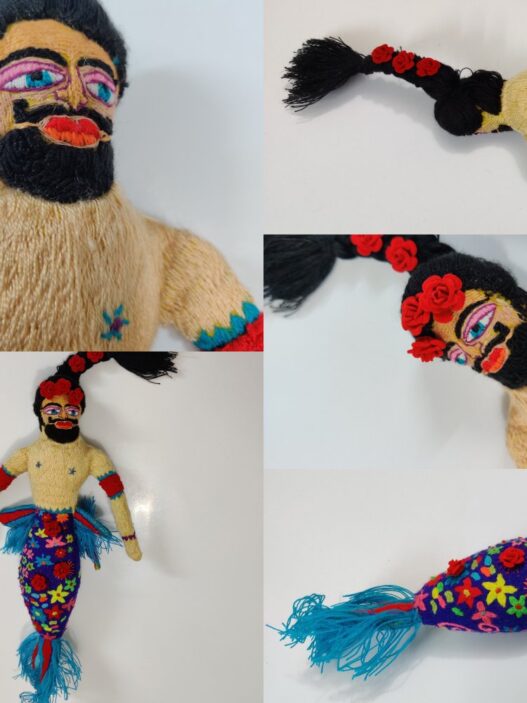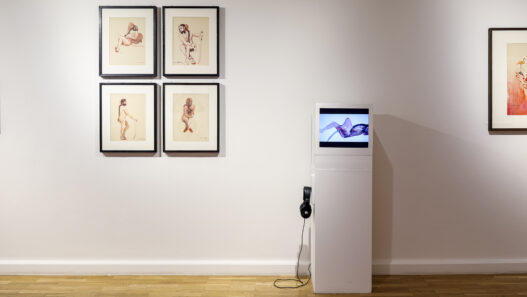

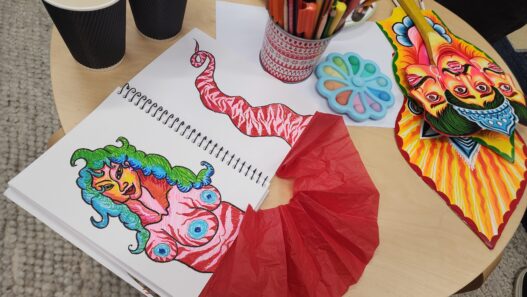
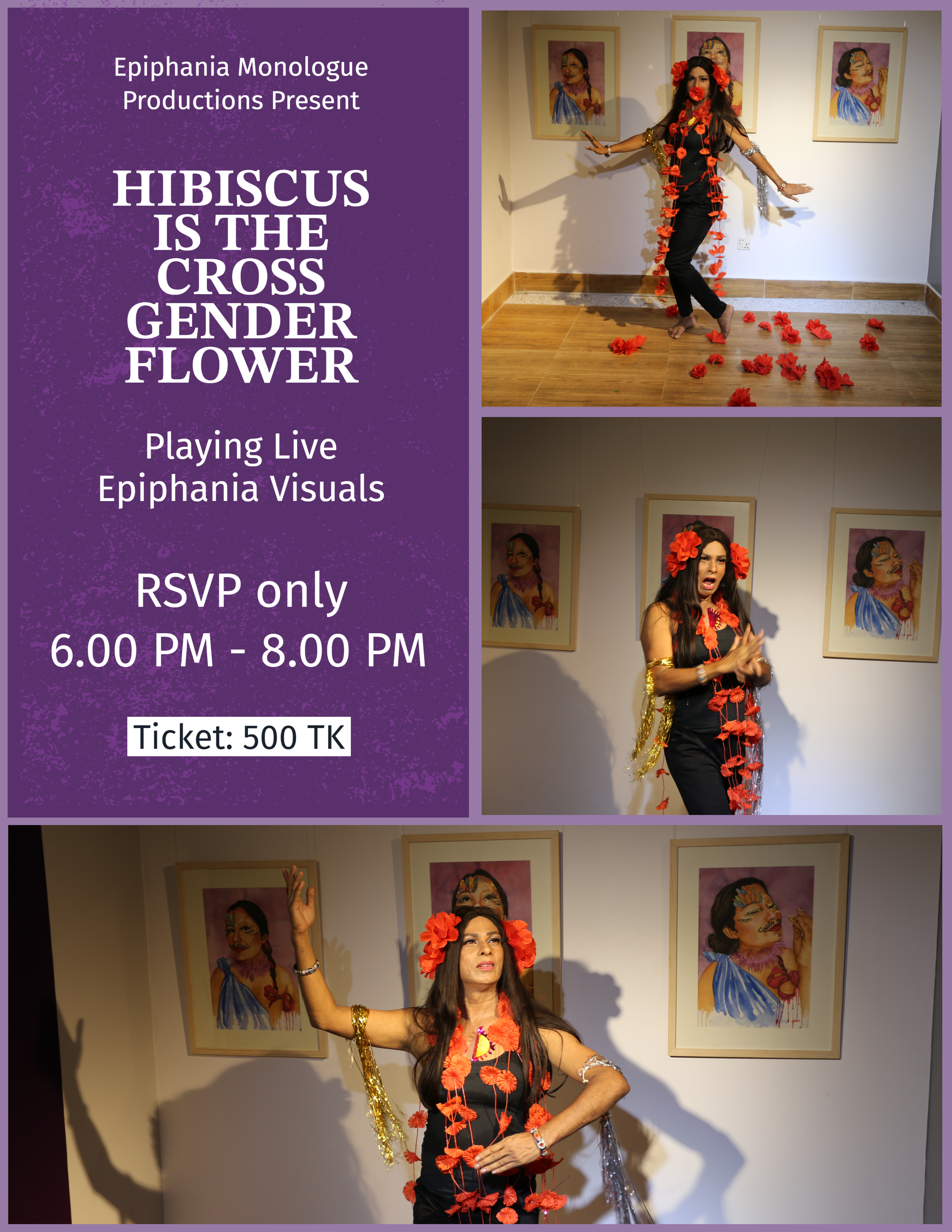


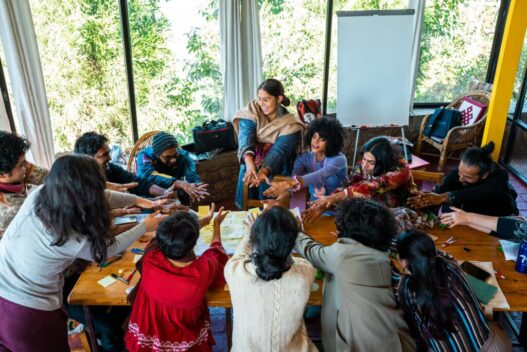
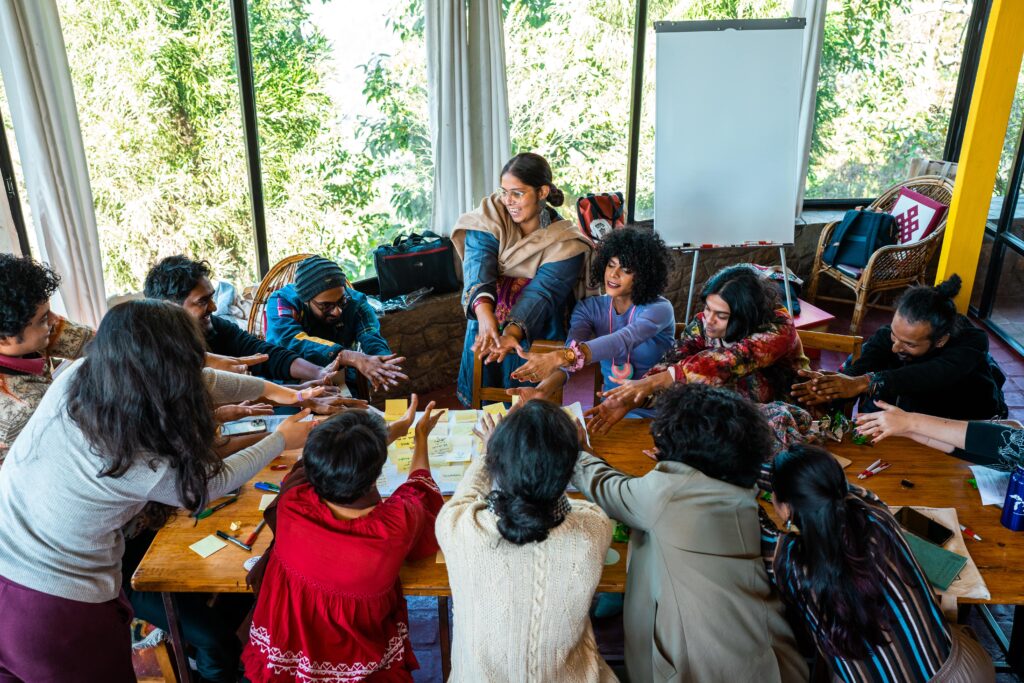
In recent years, the convergence of identity politics and contemporary art has produced a number of cultural platforms that are often celebrated without sufficient critical examination—a tendency that may carry serious implications in the future. One of the most widely discussed examples is The Queer Muslim Project (TQMP). Positioned within South Asian and international digital art circuits, TQMP has emerged as a recognizable platform for storytelling, visual culture, and queer Muslim representation. Yet the ideological and theological tensions surrounding such collectives cannot be reduced to simplistic binaries. Alongside genuine artistic and humanitarian efforts lie profound structural and doctrinal contradictions. Before engaging directly with collectives such as The Queer Muslim Project, it is necessary to address a broader socio-cultural phenomenon frequently described as “Lipstick Muslim” culture. The term refers to a tendency in which the deeper spiritual, theological, and juridical dimensions of Islam are bypassed in favor of a highly aestheticized lifestyle-oriented representation of Muslim identity. Here, Islam becomes filtered through fashion, branding, pop-cultural symbolism, and visual aesthetics rather than through rigorous engagement with theology or ethics. Ars Electronica feature on The Queer Muslim Project

The Aestheticization of Islam
Within many globally funded “liberal Muslim” collectives, Islam is often transformed into a visual and consumable aesthetic. The central frameworks of Islamic jurisprudence (fiqh), moral discipline (taqwa), and strict ethical boundaries are displaced by selective imagery: Sufi-inspired music, the poetry of Rumi, colorful hijab-fashion hybrids, Islamic calligraphy, and digitally mediated spirituality. This creates a superficial or highly curated version of Islam—one designed for social media circulation and liberal cultural consumption, yet frequently detached from the doctrinal and metaphysical foundations of the religion itself.
Postcolonial scholars have noted how global funding structures and media ecosystems shape which forms of Muslim identity gain legitimacy in international discourse (Mahmood, 2005). Critics contend that queer Muslim platforms are frequently amplified not because they represent mainstream Muslim realities, but because they satisfy institutional desires for reformist and secular-compatible interpretations of Islam.
Nevertheless, such critiques should also be approached carefully. Reducing queer Muslim activism solely to Western influence risks dismissing the genuine lived experiences of LGBTQIA+ Muslims and oversimplifying the complexity of identity formation within globalized societies.
What happens when privileged queer Muslim identity becomes culturally visible through art institutions, digital campaigns, and curated storytelling — while millions of queer Muslims continue living in silence, danger, religious suffocation, and economic precarity?
Orthodox Islam and the Limits of Reconciliation
The central theological question remains whether Islam, as traditionally understood, can accommodate LGBTQIA+ identities and relationships.
From the perspective of orthodox Islamic theology, the answer remains largely negative. Classical Islamic jurisprudence derives its moral framework regarding sexuality from the Qur’an, Hadith literature, and centuries of legal consensus (ijma). Traditional scholars argue that Islamic teachings establish a binary gender structure and restrict legitimate sexual relations to heterosexual marriage.
As a result, many orthodox scholars view attempts to merge “queer” and “Muslim” identities as fundamentally contradictory. They interpret such efforts as theological distortions influenced by secular modernity rather than authentic Islamic scholarship.
However, progressive Muslim thinkers challenge this interpretation. Scholars such as Scott Siraj al-Haqq Kugle argue that traditional readings of Qur’anic narratives concerning sexuality are historically conditioned and open to reinterpretation (Kugle, 2010). Progressive Islamic approaches often emphasize divine compassion, social justice, and contextual hermeneutics over rigid legal literalism.
Despite these efforts, queer Islamic hermeneutics remain highly contested and lack widespread acceptance within mainstream Muslim communities globally.
Selective Religious Identity and Ideological Cherry-Picking
One of the major criticisms directed toward this “Lipstick Muslim” phenomenon is its tendency toward selective religiosity. These collectives often emphasize Islamic concepts such as global Muslim solidarity, social justice, or mystical inclusivity- elements that resonate positively within liberal Western discourse. However, when confronted with Islam’s traditional prohibitions regarding sexuality, marriage, and same-sex relationships, they frequently reinterpret these doctrines through postcolonial or feminist frameworks, dismissing orthodox readings as merely patriarchal constructions. Critics argue that such approaches risk intellectual inconsistency by retaining the symbolic capital of Islam while discarding its normative theological structures.

Western Tokenism and the Politics of Funding
Another contentious issue concerns the relationship between these collectives and Western institutional funding. Critics argue that the construction of the “modern, progressive, queer Muslim” figure often aligns with liberal Western expectations of acceptable Muslim identity: visibly Muslim, culturally diverse, yet politically and ideologically non-threatening to dominant liberal paradigms. As a result, organizations operating within this framework often receive substantial international funding, media visibility, and institutional endorsement.
This dynamic is frequently described as a form of tokenism, where maintaining a marketable image of progressive Muslim identity becomes more valuable than engaging with the material realities of marginalized Muslim communities themselves. Rather than challenging structural inequalities or addressing class-based exclusion, these platforms sometimes reproduce elite, English-speaking, urban-centered representations of queerness that overlook more vulnerable or economically marginalized populations.

Art, Storytelling, and the Politics of Visibility
Despite these criticisms, the artistic contributions of projects such as TQMP cannot be dismissed outright. Through poetry, digital illustration, visual art, performance, and storytelling, such collectives create spaces where individuals marginalized by family, religion, or society can articulate trauma, loneliness, and fragmented identities. Art becomes a mechanism for emotional survival and self-representation.
At the same time, questions emerge regarding who is made visible through these forms of representation. Critics note that many highly visible queer Muslim platforms tend to foreground elite, English-speaking, internationally connected subjects, while those facing severe socioeconomic precarity or direct violence remain largely absent from the conversation.
Theological Conflict: Islam and Queer Identity
The central ideological conflict surrounding The Queer Muslim Project arises from its attempt to unite “Muslim” and “Queer” identities within a shared political and cultural framework.
The Orthodox Islamic Perspective
From the perspective of mainstream Islamic theology and jurisprudence, LGBTQIA+ identities fundamentally conflict with established Islamic teachings concerning gender, sexuality, and marriage. Traditional scholars across the major schools of Islamic law generally regard same-sex relations as prohibited. Consequently, attempts to normalize queer identity within an explicitly Islamic framework are often interpreted as distortions of religious doctrine influenced by modern Western liberalism.
Progressive and Liberal Islamic Interpretations
Conversely, progressive Muslim thinkers and activists argue that Islam’s foundational ethical principles—justice, compassion, and human dignity—can accommodate queer identities. Through alternative hermeneutic approaches, some scholars reinterpret Qur’anic narratives and Islamic ethics in ways that challenge orthodox readings. However, these interpretations remain highly contested and lack broad acceptance within the wider Muslim world.
Queer Islamic Hermeneutics and Academic Debate
Over the past two decades, a body of literature associated with “Progressive Islam” and “Queer Islamic Hermeneutics” has emerged, particularly within Western academia. Scholars such as Scott Siraj al-Haqq Kugle, in Homosexuality in Islam: Critical Reflection on Gay, Lesbian, and Transgender Muslims, attempt to construct theological arguments in support of queer Muslim identities through alternative textual interpretations.
Yet critics argue that many of these approaches lack methodological rigor and prioritize political agendas over theological coherence. From this perspective, the manipulation of religious texts to produce socially desirable narratives risks generating confusion among believers while intensifying tensions between queer communities and mainstream Muslim societies.
The Psychological Contradiction of the “Queer Muslim”
For queer individuals who have experienced rejection or violence within Muslim communities, the question of whether to retain the label “Muslim” often becomes deeply psychological and existential.
For many, Islam represents more than doctrine—it is tied to childhood memory, language, culture, spirituality, and emotional belonging. Some identify as “cultural Muslims” or spiritually inclined Muslims who maintain a personal relationship with faith independent of institutional authority.
Critics, however, argue that adopting the “Muslim” label while rejecting core theological principles produces an unresolved contradiction. From a traditionalist perspective, if one fundamentally departs from the ethical framework of Islam, continuing to claim Islamic identity may appear intellectually inconsistent or symbolically antagonistic toward the religion’s normative foundations.
Conclusion
An important dimension often overlooked in polemical debates is the psychological complexity of religious identity. Many queer Muslims do not experience Islam merely as a legal system but as an inseparable component of language, memory, family history, spirituality, and cultural belonging.
For such individuals, abandoning the Muslim label may feel equivalent to severing ties with ancestry, community, and emotional heritage. Consequently, many identify as “cultural Muslims” or spiritually affiliated Muslims even while disagreeing with orthodox interpretations. This creates what sociologists describe as “identity dissonance,” wherein individuals simultaneously inhabit conflicting social and theological frameworks. Queer Muslim collectives often emerge precisely within this unresolved tension, functioning as spaces where contradictory identities can coexist without immediate resolution.
Collectives such as The Queer Muslim Project occupy a deeply contested cultural terrain where art, identity, religion, and politics intersect. Their work is often valuable as a form of artistic resistance, emotional testimony, and collective visibility for marginalized individuals. However, the attempt to overlay these practices with an explicitly Islamic theological legitimacy—despite the absence of consensus within Islamic tradition—creates ongoing ideological tension.
While art may serve as a powerful medium for healing and self-expression, the fusion of queer politics with contested religious reinterpretation does not resolve the underlying theological conflict. Instead, it often intensifies debates surrounding authenticity, representation, and the limits of religious identity within contemporary liberal culture.
Bibliography
Ahmed, Sara. Queer Phenomenology: Orientations, Objects, Others. Durham: Duke University Press, 2006.
Ali, Kecia. Sexual Ethics and Islam: Feminist Reflections on Qur’an, Hadith, and Jurisprudence. Oxford: Oneworld Publications, 2006.
Butler, Judith. Undoing Gender. New York: Routledge, 2004.
Featherstone, Mike. Consumer Culture and Postmodernism. London: Sage Publications, 2007.
Kugle, Scott Siraj al-Haqq. Homosexuality in Islam: Critical Reflection on Gay, Lesbian, and Transgender Muslims. Oxford: Oneworld Publications, 2010.
Mahmood, Saba. Politics of Piety: The Islamic Revival and the Feminist Subject. Princeton: Princeton University Press, 2005.
Rahman, Fazlur. Islam and Modernity: Transformation of an Intellectual Tradition. Chicago: University of Chicago Press, 1982.
Saeed, Abdullah. Reading the Qur’an in the Twenty-First Century: A Contextualist Approach. London: Routledge, 2013.
Yip, Andrew K. T. “Queering Religious Texts: An Exploration of British Non-Heterosexual Christians’ and Muslims’ Strategy of Constructing Sexuality-Affirming Hermeneutics.” Sociology 39, no. 1 (2005): 47–65.
Massad, Joseph A. Desiring Arabs. Chicago: University of Chicago Press, 2007.