




The Genesis (2015)
Conceived and conceptualized in 2015, Gender Bender emerged as a vital joint initiative between the Goethe-Institut / Max Mueller Bhavan Bangalore and Sandbox Collective—a prominent, women-led feminist performance collective. Recognizing a critical void in the Indian cultural landscape for structured artistic investigations into gender, the project set out to be the first festival of its kind in India.
From its very inception, Gender Bender wasn’t designed simply to exhibit existing art; it was built to trigger it. The festival established a signature trigger grant system (offering selected artists financial support, up to ₹50,000) to give creatives the economic freedom to produce entirely new, original works. The core mandate was simple yet radical: to view gender not as a fixed binary, but as a fluid concept, a sociopolitical construct, and an ever-evolving discourse.
The Early Additions
In its initial years, the festival found its home inside the intimate spaces of the Goethe-Institute in Bangalore. It quickly transformed from a local showcase into a vibrant, chaotic, and vital ecosystem. The artistic offerings crossed all disciplinary boundaries, spanning:
- Performance & Dance: Challenging rigid traditional forms through gender-fluid movement (such as Raqs-e-Bender, featuring male belly dancing and gender-fluid styling).
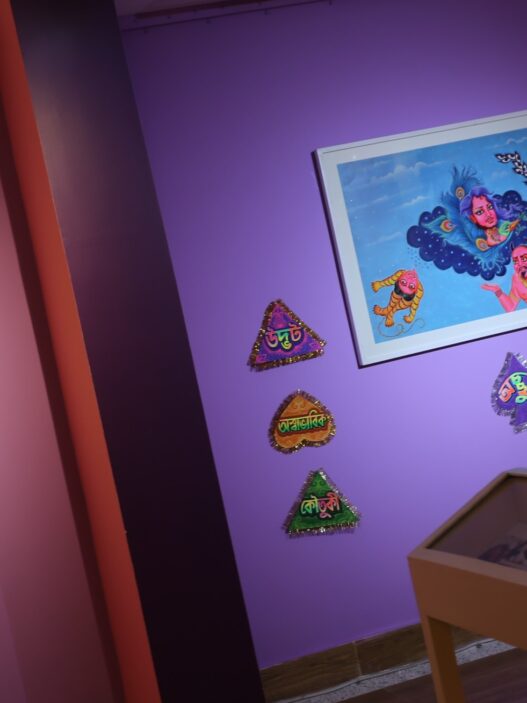
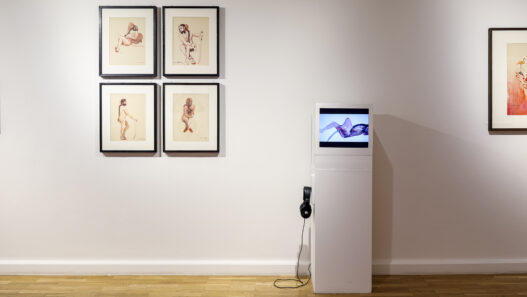
- Visual Art & Installations: Immersive works that questioned systemic inequalities, including Jinal Sangoi’s Stories of Invisible Labour—an installation of finely engraved steel utensils tracking women’s stories of migration and domestic work.
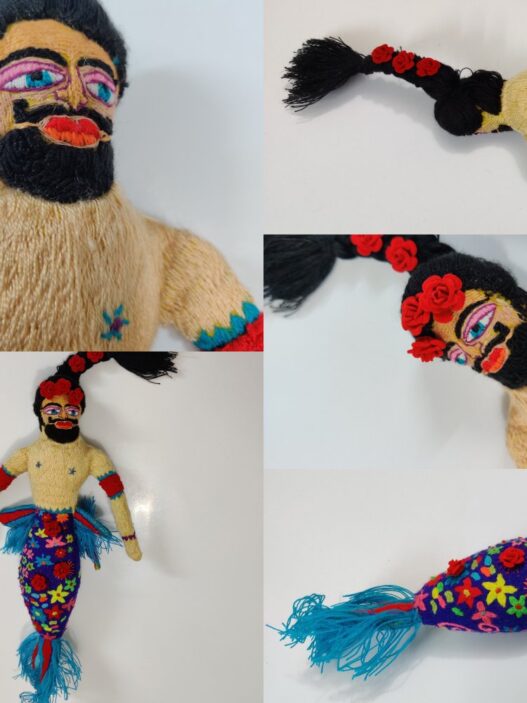
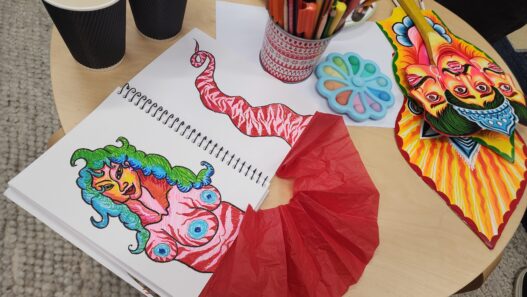
- Alternative Mediums: Zine-making workshops, interactive board or video games turning traditional tropes upside down, and the integration of Feminist and Queer Pop-Up Libraries curated by local queer writers and activists.
By 2019 (its fifth edition), the festival had outgrown its original cradle, migrating to the Bangalore International Centre (BIC) to accommodate vastly expanding audiences, lecture demonstrations, stand-up comedy sets, and broader community dialogues.
Cross-Border Voices
As Gender Bender’s reputation grew, it organically expanded its footprint, drawing crucial perspectives from across South Asia. Bangladeshi artists have brought deeply moving narratives to the festival, utilizing the platform to connect regional struggles of identity, memory, and survival:
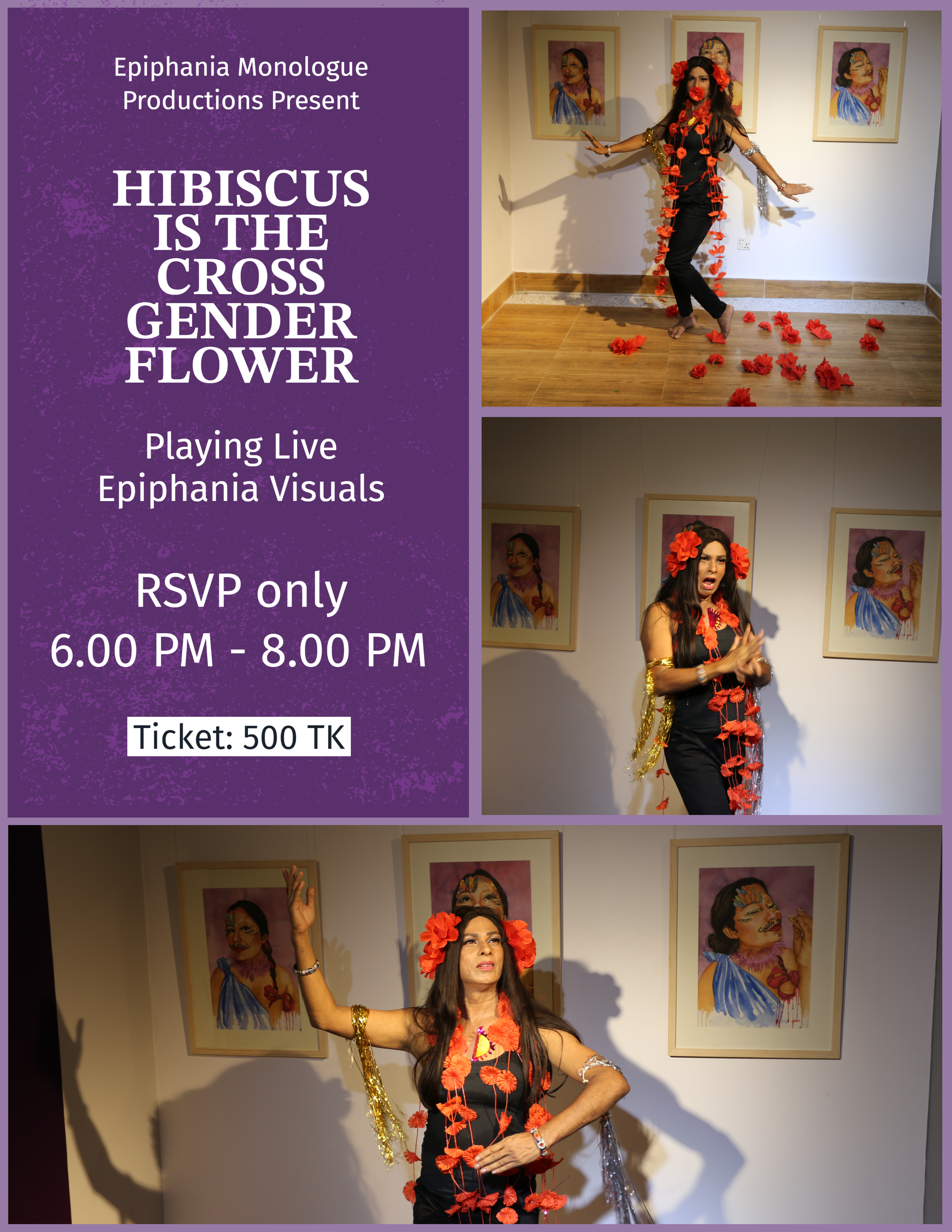
- Anonnya (2020 Grantee): A prominent transgender and Hijra rights activist and dancer from Bangladesh, Anonnya utilized the Gender Bender platform to create a powerful dance performance. Drawing directly from raw, lived narratives of pain, discrimination, and resilience, their work served as both a medium of public communication and a form of collective healing against a rigid societal backdrop.
- Mridul Kanti Goshami (2019 Participant): A multidisciplinary Bangladeshi artist working with photography, sound, and text. Having studied music in Bangladesh, Goshami brought a unique intersectional approach to the 2019 edition, examining concepts of memory, domesticity, belonging, and mystic cultures through vernacular imagery.
Growing and Bending the Rules
Moving through the 2020s, Gender Bender adapted seamlessly to the shifting realities of the global art world. Faced with changing technologies and the limitations of physical spaces during the pandemic years, the project expanded its digital footprint, incorporating video documentations, virtual galleries, and global open calls.
Today, it stands as a mature, universally recognized cornerstone of South Asian queer and feminist art history. By maintaining its crucial partnership with the Goethe-Institut and being stewarded by the bold vision of Sandbox Collective, it continues to act as a safe, celebratory, and highly critical space where artists can “bend” societal expectations, shatter taboos, and reimagine a more liberated world.